
Fix-and-Flip: Expectations vs. Reality
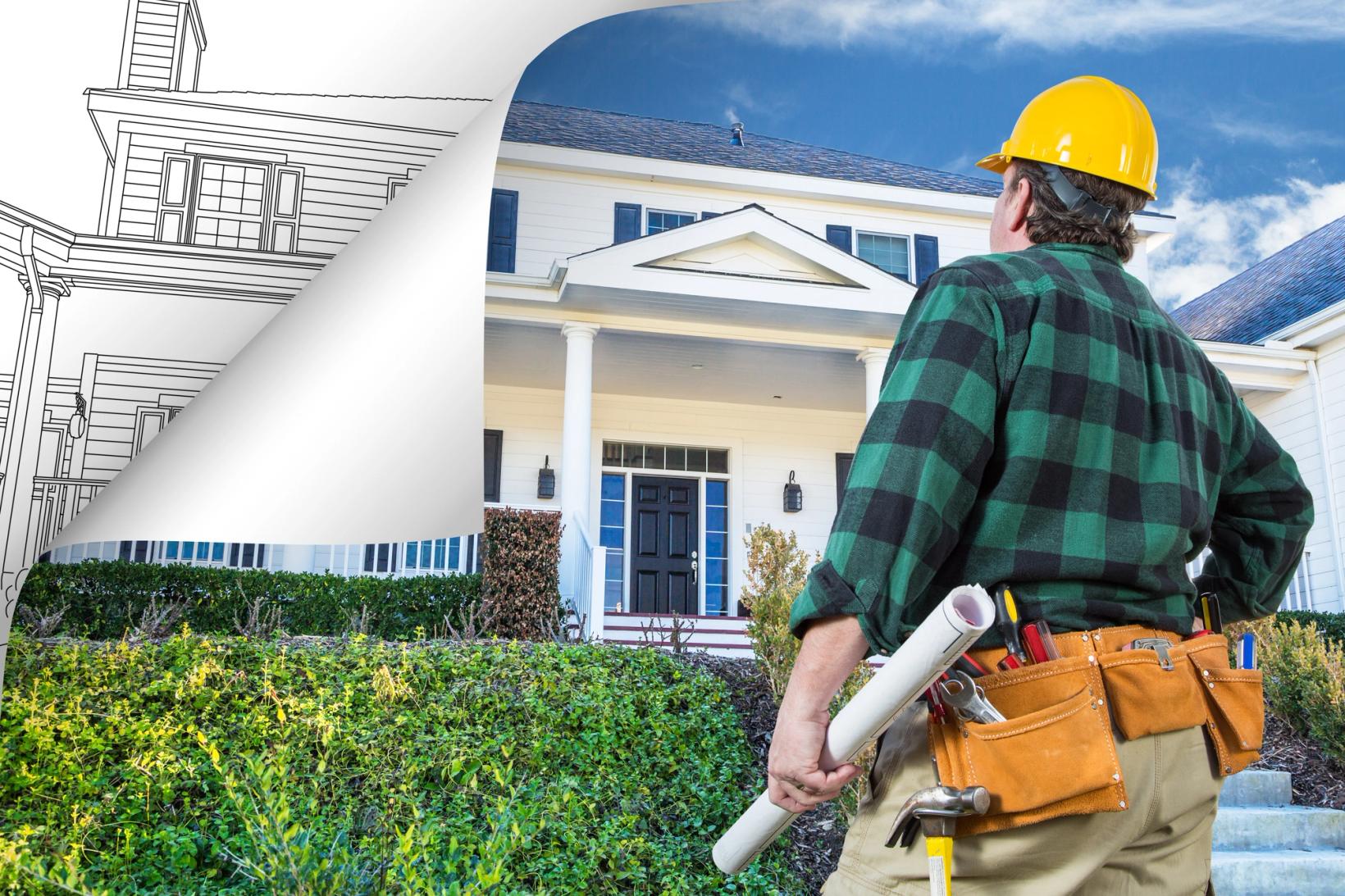
Fix-and-flip television makes house flipping look fast, fun, and almost guaranteed to profit. The reality is more demanding — and more rewarding for investors who go in with clear eyes. So is house flipping realistic? Absolutely. But it works very differently than a 30-minute episode suggests.
What the Shows Get Right
To be fair, flip TV is not pure fiction. It captures some real truths:
- There is genuine money to be made buying undervalued homes and improving them.
- Curb appeal, smart layout choices, and quality finishes really do drive resale value.
- A strong contractor and a clear vision matter enormously.
The problem is not what the shows include — it is everything they edit out.
What the Montage Leaves Out
Real timelines
A televised flip wraps in a tidy episode. A real one rarely does. Permits, inspections, material lead times, contractor schedules, and weather routinely stretch projects from a few months to much longer. Every extra week is another week of carrying costs.
True rehab budgets and overruns
On-screen renovation costs are often understated and almost never include the surprises that show up once walls come open — outdated wiring, hidden water damage, failed plumbing, or foundation issues. Experienced flippers build a contingency of 10 to 20 percent into every budget because overruns are the rule, not the exception.
Holding, financing, and selling costs
The purchase price and rehab budget are only part of the math. The costs that rarely make the screen include:
- Holding costs: loan interest, property taxes, insurance, and utilities for every month you own the property.
- Financing costs: points and interest on your acquisition and rehab funding.
- Selling costs: agent commissions, closing costs, and any concessions to the buyer.
- Transaction costs: the fees on the way in and the way out.
These can easily consume a large share of what looks like profit on paper.
The work behind the scenes
The show compresses months of unglamorous effort into a few minutes: sourcing the deal, running the numbers, lining up financing, pulling permits, managing subcontractors, solving daily problems, staging, and marketing. The renovation montage is the small, photogenic tip of a much larger iceberg.
Setting Realistic Profit Expectations
The path to a profitable flip is not drama — it is discipline.
- Know your ARV: Base your after-repair value on real comparable sales, not optimism.
- Use the margin math: Many investors aim to buy at roughly 70 percent of ARV minus repairs, leaving room for every cost above.
- Budget for the full picture: Account for holding, financing, and selling costs from day one, not as afterthoughts.
- Protect your timeline: The faster you finish and sell, the less you pay in carrying costs — and the sooner your capital is free for the next deal.
Reliable financing is a big part of staying on schedule. As a direct private lender since 2009, Alta Capital Group funds investors — including first-time flippers — across 45 states plus DC, with a dedicated account manager and transparent pricing so you can budget your costs accurately from the start. A rehab loan is designed to fund both the purchase and the renovation, helping you move at the speed a profitable flip requires.
House flipping is realistic. It is just a business, not a TV show — and treated like one, it can be a very good business.
FAQ
Is house flipping realistic for beginners? Yes. Plenty of successful investors started with their first flip. The key is realistic numbers, a solid contractor, and financing built for the project — not the tidy timeline you see on TV.
How long does a real fix-and-flip take? Longer than an episode. Many projects run several months once you account for closing, permits, the rehab itself, and the time to sell.
What costs do flip shows leave out? Holding costs, financing costs, selling and closing costs, and budget overruns from hidden problems — all of which reduce the headline profit shown on screen.
How much profit is realistic on a flip? It varies by market and deal, but disciplined investors size every project so the spread between purchase plus all costs and the final sale leaves a meaningful margin. Thin deals leave no room for surprises.
Thinking about your first or next flip? Explore Alta’s rehab financing and run the real numbers with confidence.