
Single-Family vs. Multifamily Investing
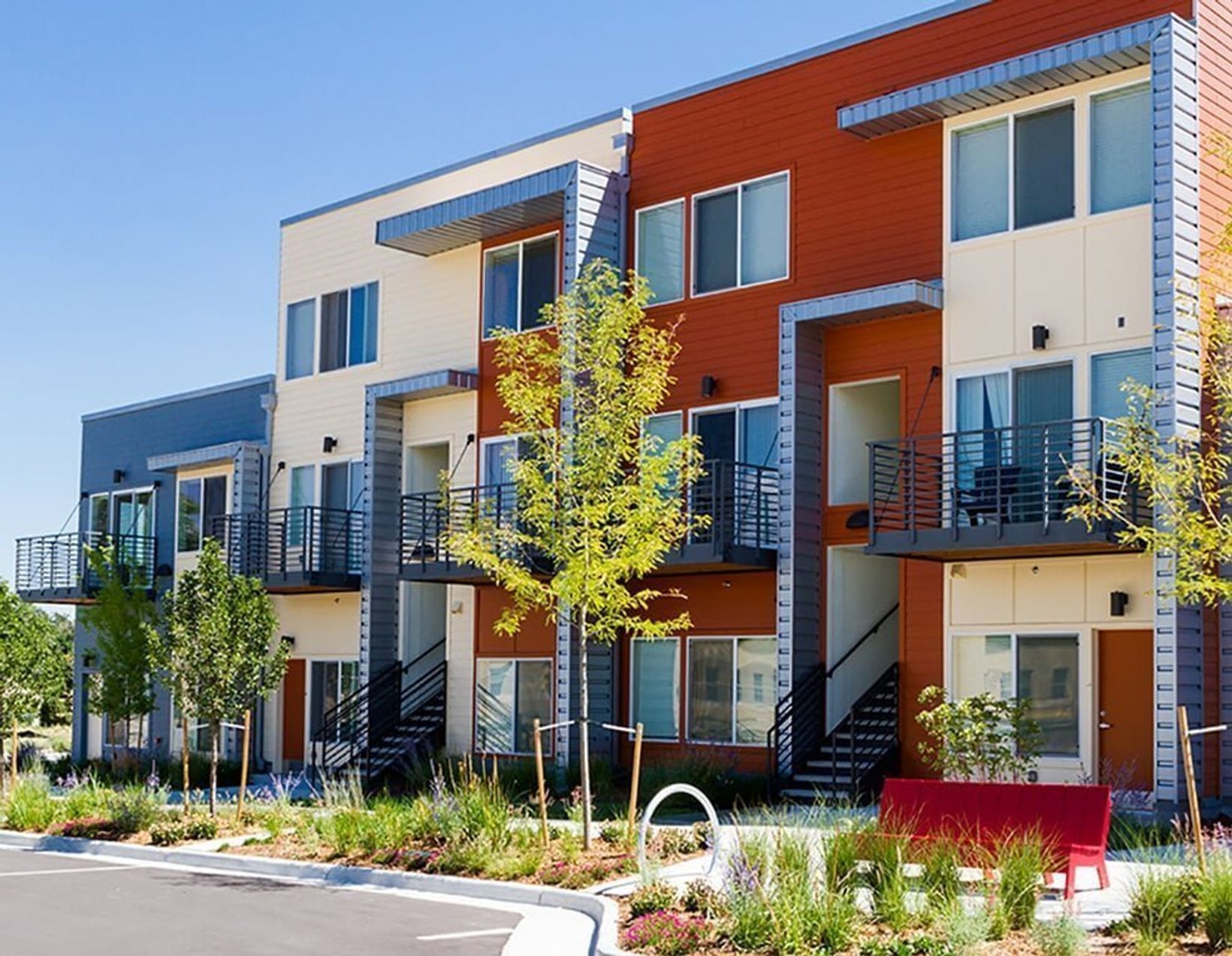
One of the first decisions a real estate investor faces is what kind of property to buy. Single-family rentals and multifamily buildings can both produce strong returns, but they behave very differently when it comes to cost, financing, management, and risk. Understanding single family vs multifamily investing helps you pick the path that fits your capital, your goals, and your appetite for hands-on work. This guide breaks down the trade-offs and the financing that suits each.
Single-Family Rentals: Pros and Cons
A single-family rental is one home with one tenant. It is the most common entry point into real estate investing for good reason.
Advantages:
- Lower entry cost. Purchase prices and down payments are smaller, so it is easier for newer investors to get in.
- Simpler financing. Loans are widely available and straightforward to underwrite.
- Easier to manage. One unit, one tenant, and fewer moving parts.
- Broad exit market. You can sell to other investors or to owner-occupant buyers, which deepens the pool of potential purchasers and supports liquidity.
- Location-driven appreciation. A home in a desirable, growing area can appreciate quickly based on local supply and demand.
Drawbacks:
- Single income stream. When the unit is vacant, your rental income drops to zero. There is no other tenant to cushion the gap.
- Slower to scale. Building a portfolio means buying and financing properties one at a time, often in different locations.
- Scattered management. A handful of single-family homes spread across a market can be harder to oversee than units under one roof.
Multifamily: Pros and Cons
Multifamily means multiple units, from small duplexes and fourplexes up to apartment buildings. The scale changes the entire equation.
Advantages:
- Economy of scale. Multiple units generate multiple income streams, and costs like a roof repair are spread across the whole asset rather than carried by one unit.
- Vacancy is cushioned. If one unit turns over, the others keep paying. A single vacancy rarely sinks the property's cash flow.
- Faster scaling. You can add many units in a single transaction instead of chasing one house at a time.
- Value-add potential. Because larger properties are often valued on their income, raising rents or improving operations can lift the building's value directly. Amenities and upgrades can drive both rent and appreciation.
- Negotiating power. Multiple units in one place mean better terms on services like landscaping, internet, and maintenance.
Drawbacks:
- Higher entry cost. Down payments are larger, often around a quarter of the property value or more, which raises the bar to get started.
- Tenant turnover. More units mean more turnover to manage, screen for, and budget around.
- More intensive management. Larger properties demand more active oversight or a professional property manager.
Which Financing Fits
The right loan depends on the asset and your strategy.
- Single-family rentals: DSCR loans. A DSCR loan qualifies on the property's cash flow rather than your personal income, which makes it ideal for rental investors and for scaling a portfolio without the income-documentation hurdles of conventional loans. As long as the rent covers the debt, you can keep adding properties.
- Larger multifamily assets: multifamily and bridge financing. For apartment buildings and value-add deals, multifamily financing is built around the property's income and business plan. Lenders weigh the asset's cash flow heavily, which can make it easier to finance a strong building than to qualify for a single-family loan based on personal credit alone. Bridge financing then helps you acquire and reposition a property before refinancing into long-term debt.
Both paths share a key advantage at a private lender: the focus is on the deal and the property, not just your tax returns.
So Which Is Better?
Neither is universally better. Single-family rentals are a lower-cost, simpler way to start and offer a wider resale market. Multifamily offers scale, income diversification, and direct control over value, but demands more capital and more active management. Many successful investors hold both, using single-family homes for steady, liquid positions and multifamily for scale and cash flow.
The smart move is to learn both sides rather than stay locked into one. Approaching each deal with an open but cautious eye is the best game plan.
FAQ
Is single-family or multifamily better for beginners? Single-family rentals usually make the easier starting point. Lower purchase prices, simpler financing, and straightforward management lower the barrier to entry.
How does vacancy risk differ between the two? A vacant single-family rental produces no income at all. In a multifamily property, the other occupied units keep generating cash flow, which cushions the impact of any single vacancy.
What loan works best for a single-family rental? A DSCR loan is a strong fit because it qualifies on the property's rental income rather than your personal income, making it easier to scale a rental portfolio.
Can I finance multifamily based on the property instead of my income? Yes. Multifamily and bridge financing weigh the asset's cash flow and business plan heavily, so a strong-performing building can be financed on its own merits.
Not sure which path fits your next deal? Talk to Alta and we will point you to the right program.